Regulatory Changes in HIS/HMP in São Paulo and the Impacts on Developers
Published on
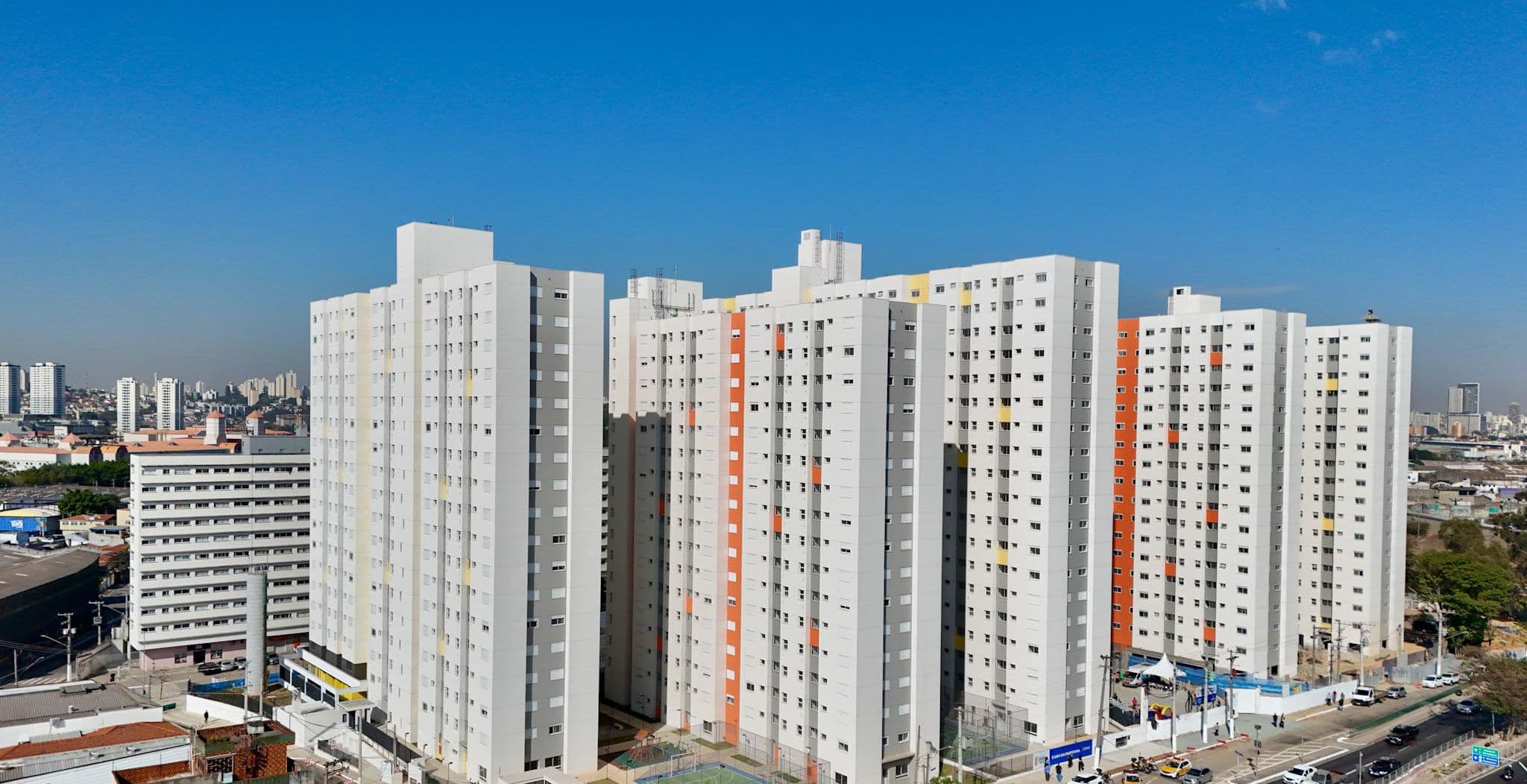
New rules for Social Interest Housing (HIS) and Popular Market Housing (HMP) in São Paulo bring significant advances, but also create direct challenges for those with ongoing projects or upcoming launches.
Key changes identified
At the latest GRI Institute meeting, the following points were highlighted as particularly relevant to the sector:
Price ceiling: although many developers were already working with similar values, the new ceiling pressures project feasibility, requiring adjustments in typologies and structures, and may reduce supply in central areas.
Investor definition: provides important clarity, but raises operational questions regarding compliance with income brackets, documentation requirements, and regulatory obligations.
Short-stay restrictions: projects near metro stations or in central regions that relied on short-term rentals for part of their feasibility now face limitations under the new rules.
Challenges for ongoing developments
One of the most critical issues is that the new rules apply immediately to all projects currently under development, with no transition or grace period. The impacts include:
Review of financial projections and expected returns
Construction costs that may need to be revised or increased
Adjustments to sales forecasts and business models originally based on different assumptions
Opportunities through capital markets
Despite the challenges, the new framework also opens up interesting funding opportunities:
Structured financing in the private market is emerging as an increasingly necessary alternative, given the limitations of traditional bank credit lines.
Developers can benefit from credit instruments with more competitive costs and terms adapted to the new regulatory requirements.
Conclusion
While the changes represent an important regulatory step forward, particularly in terms of clarity and restrictions, the sector now faces the challenge of adapting projects originally designed under different assumptions.
Balancing economic feasibility, regulatory requirements, and project quality will be crucial in the months ahead. The use of the capital markets as a funding source may become a key driver to ensure affordable housing continues to expand sustainably in São Paulo.
Regulated activities are conducted by Bamboo Securitizadora S.A. (CNPJ 48.343.871/0001-34), which acts as coordinator of public offerings under its CVM Resolution 161 coordinator license and issues and services CRI, CRA and debentures under CVM Resolution 60. This content is informational and is not an offer, recommendation or promise of returns.