Bamboo DCM Radar
Monitoring the Future of the Market, Now.
An exclusive and strategic content space, focused on providing up-to-date and relevant information about the capital markets.

Latest Articles
Commercial Note: What It Is, How It Works, and When a Company Should Issue One
A commercial note is a security defined by Law 14,195/2021. Legal definition, mechanics of an issuance, comparison with CCB and debentures, and when to issue.

The Growth of FIDCs in the Brazilian Market
Credit Rights Investment Funds (FIDCs) have played a transformative role in the Brazilian financial market, especially as companies seek to diversify their funding sources.

Structured Credit in Brazil: Why Is This a Decisive Moment?
How structured credit became a growth lever in Brazil: what it is, how it works, why the timing is now, and how Bamboo DCM structures the deal.

REDATA: New Special Regime for Data Centers May Unlock Trillions in Investments in Brazil
Last Wednesday (17), the Brazilian government announced the creation of REDATA, a special regime for data centers in the country, through Provisional Measure No. 1,318/2025. The…

Highlight projections for the Capital Market in 2025
In 2024, the financial market underwent significant transformations, driven by the rise of technologies leveraging artificial intelligence (AI).
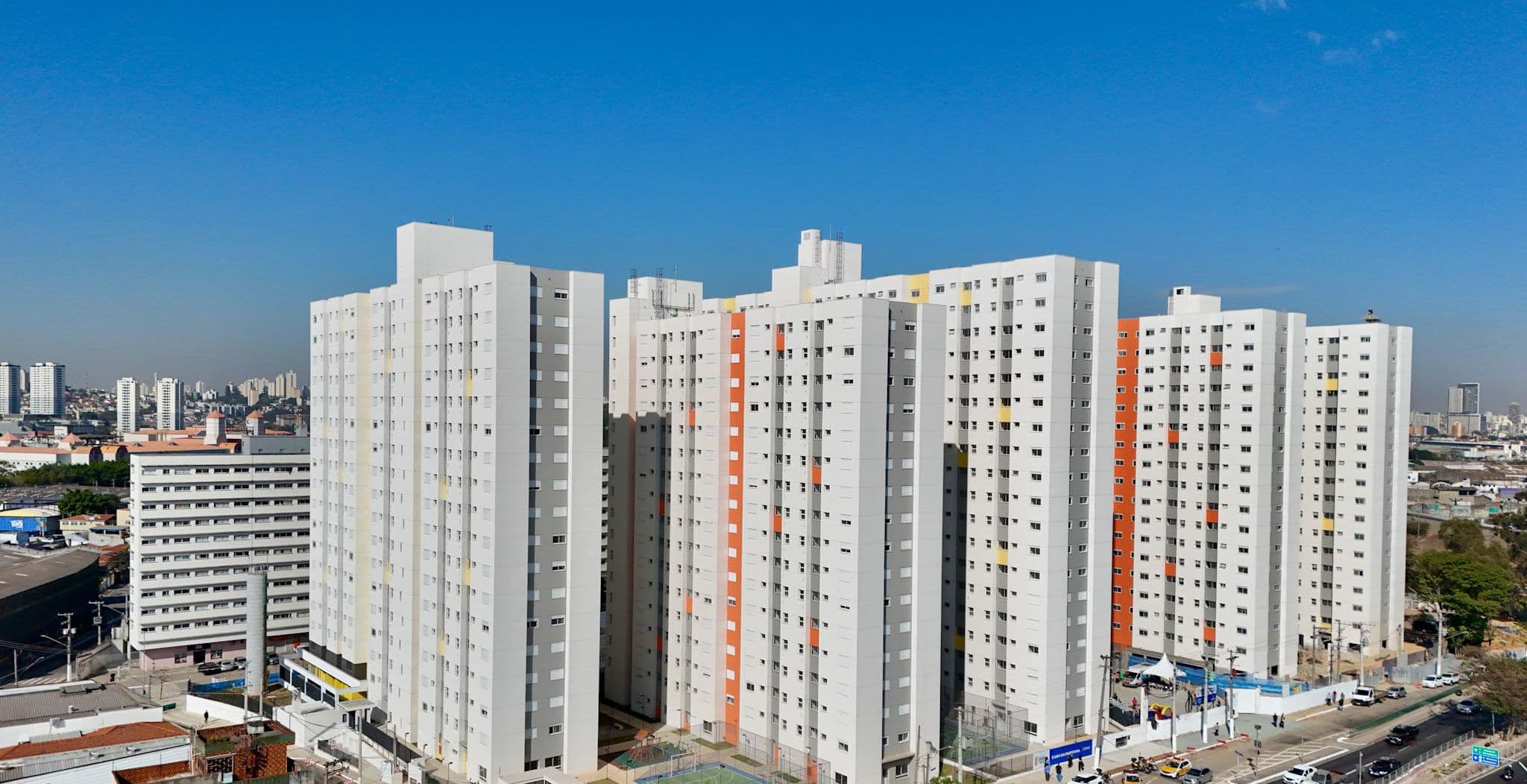
Regulatory Changes in HIS/HMP in São Paulo and the Impacts on Developers
New rules for Social Interest Housing (HIS) and Popular Market Housing (HMP) in São Paulo bring significant advances, but also create direct challenges for those with ongoing…

115 firms hold the CVM coordinator licence. Thirty-one used it.
Brazil has 115 firms registered with the CVM to coordinate public offerings and 31 coordinated any fixed-income origination in 2026. What the registry shows, what it cannot tell you, and the three questions that replace it.

Artificial Intelligence in DCM Processes
The digitalization of the capital markets has been rapidly advancing, and Artificial Intelligence (AI) is emerging as an essential tool for optimizing Debt Capital Markets (DCM)…
Securitizadora, fund manager, or independent coordinator: the difference
Securitizadora vs fund manager vs independent coordinator Brazil: each role, its CVM license, the conflicts of interest, and how an issuer spots true independence. Learn more.
The middle-market DCM Brazil has not priced yet
Brazil's middle-market spread pays for complexity, not just risk. See the structuring gap in corporate and structured credit and how Bamboo works it.
What a lead coordinator does in a structured credit transaction
What a lead coordinator does in a Brazilian structured-credit deal: structuring, due diligence, CVM registration and distribution, and how independent coordinators differ. Learn more.
How a securitization works: from origination to distribution
How a securitization works in Brazil: receivables assignment, the segregated estate, and the issuance of CRI, CRA and CR. Learn more.
The Model-Swap Test: How to Tell Which Companies Actually Own Their AI
A three-question test, starting with Satya Nadella's, for telling firms that built a compounding AI learning loop from those that just bought a subscription.
Independent structurer or bank: who works for the issuer
Independent structurer or a bank to raise debt in Brazil? See the bank conflict of interest and why independence works for the issuer. Talk to Bamboo.
How to choose a FIDC coordinator or structurer
Technical criteria for choosing a FIDC coordinator: CVM 161 registration, independence from the fund manager, and fee transparency. Talk to Bamboo.
The Complexity Premium Brazil Isn't Pricing
Brazil's mid-market lacks structuring, not capital. The widest credit spread pays for complexity, not risk, and that is where the premium lives.
News

Published by InvestNews · 03/06/2025
Recompra de dívidas por empresas triplica e traz desafio para investidor da renda fixa
Um levantamento feito para o InvestNews pela butique digital bamboo DCM, especializada em mercado de capitais, mostra um crescimento de 197,37% no volume de recompras de debêntures em 2024, comparado a um ano antes. O montante atingiu R$ 113 bilhões frente a apenas R$ 38 bilhões em 2023. A quantidade de operações de resgate também mais que dobrou de 140 para 314 no período.
Read the full article