I’ve found my north. I’m going all in on AI.
By Arthur O'Keefe, Founder and Chief AI Officer, Bamboo DCM
Published on

A new mandate at Bamboo DCM, and a return to technology with everything I’ve learned.
On a walk after dropping my children at school, I recorded a voice note about the AI system I had been building. It was working, and that had led me to an unexpected conclusion: the thing I had worked so hard to build would probably become easy to get.
I was excited by that prospect. I could see a powerful kind of machine becoming widely available, and I knew I wanted to become very good at using it.
That is the bet behind the career decision I’m making now. After four years, I’ve found my north. I’m going all in on AI, and I’m announcing a new mandate at the firm I helped found: Founder and Chief AI Officer at Bamboo DCM.
What makes this feel like a new career is how much of the old one I can bring to it. I know how to reason about complex systems. I have operated a nuclear reactor, built financial systems and helped build technology businesses. AI gives me a way to turn that experience into software with my own hands. It has me programming again after more than fifteen years away from regular hands-on code.
I’m building an agent harness. That is the working environment around an AI model: the context and tools it needs, the rules for what it may do, the checks on its results and the means to carry work from one step to the next. It is how a model becomes useful over the course of a piece of work, beyond the answer to a single question.
Recently, I reviewed and approved changes to our website’s privacy policy. The harness applied only those changes in English and Portuguese, added tests for both versions, ran the full test suite and type checks, and verified that unrelated sections stayed unchanged. I had supplied the direction; it carried the work through to a checked implementation. Production release remained with the person responsible for it.
The system still fails and needs repair, but I no longer have to be present at every handoff. I can attempt more when I can define the result, make the decisions that need me and let the harness carry the work between them.
My bet is that within months, perhaps a year, people who want a capable harness will have much easier access to one. Mere ownership of the machinery is unlikely to remain a moat. The advantage I am pursuing comes from understanding what to do with it, bringing the right data to it and participating in its development. I’m putting in the hours now.
My son and I watch Formula 1 together. I went to Interlagos last year, and we’re excited about going together this November. The weekend I experienced felt like a three-day festival, with racing and music and much more to enjoy than the Grand Prix itself. I hope it becomes something we keep doing together.
The sport has a particular hold on me because both the driver and the machine have to be good. You can see an exceptional driver struggle in a car that cannot deliver what they need. You can also see how much a capable driver can extract from the machinery. Performance belongs to the combination.
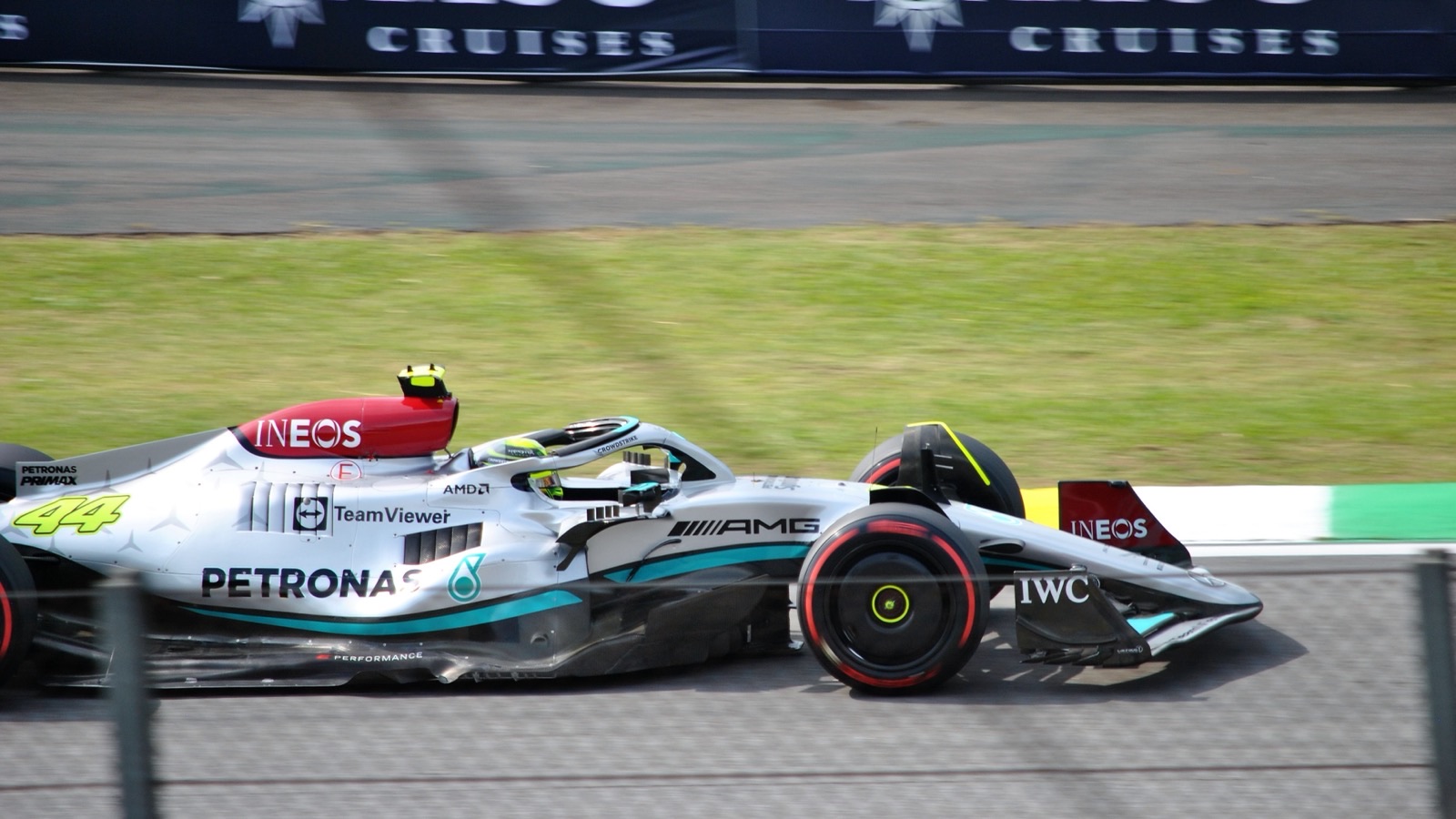
The conversation between drivers and engineers is part of that performance. In Explaining the Role of an F1 Sim Driver, Mercedes describes how its simulator drivers work with engineers on setup and feel, then compare simulation with what happens on the track. A driver does not have to design the components to help improve the car. They need enough understanding to explain its behavior in a way the engineers can use.
That is the relationship I want with a harness. I need to understand what adaptations are possible, what data is available and enough of the internal behavior to explain why a result fell short. Sometimes the missing piece will be context. Sometimes I will have specified the work poorly. Being able to distinguish those problems is part of learning to use the system.
The attraction of the F1 analogy is the training that comes after access. Getting into a powerful car would give me a great deal to learn. So does getting a powerful harness. Repetition matters when it sharpens judgment and produces better feedback. The driver develops with the machine.
Tomasz Tunguz ends Software After AI with a question about competition when companies have access to the same model. His answer: “The best riders win.” I expect the harness to become widely accessible too. That makes me look for advantage in the combination of a capable system and someone who understands the work well enough to adapt it.
Parts of what I’m building may become standard features in tools I can buy. I would welcome that. I can use a better starting point and apply what I’ve learned to the next problem. The investment I care about is the ability to keep turning better technology into useful work.
I trained as a computer engineer. I wrote Ada, Visual Basic, T-SQL and Oracle’s PL/SQL. My hands-on fluency became stale as my work took me elsewhere. I could recover the details, but I doubted I would program often enough to keep them. Getting back into code always seemed to come with a maintenance obligation I could not justify.
That was frustrating because I could still reason about systems. Work on Wall Street and in building financial systems kept me close to questions about how information moves and how decisions depend on it. I could see something I wanted to build, then face a substantial gap between that understanding and implementing it myself.
Models have changed the effort required to cross that gap. I can describe intended behavior, work through an implementation and examine what it does. When the result is wrong, I can use what I understand about the system to work on the correction. The idea and its implementation are close enough that I can develop them together.
In Sequoia Ascent 2026 summary, Andrej Karpathy describes professional work with agents in which syntax and API recall can be delegated while systems understanding remains essential. I recognize that distinction immediately. The part of programming that had become expensive for me to maintain is easier to get help with. The experience I kept using in other settings has a direct role again.
That changes what experience is for. I can take an idea far enough to find out where my reasoning holds and where it breaks. I can build a version, use it and change it. Years spent understanding systems now give me a much better starting point for making them.
My route into the harness began with knowledge systems. I was working on organizing information, keeping knowledge current and making expertise easier to use. I knew there was something important there before I could explain where it would lead.
The connection became clearer as I learned to assemble context for a piece of work. A fact could sit beside the decision it affected. A previous decision could keep its reasoning, and a failure could inform a later attempt. Information I had organized could now help a system work out a useful next step.
Once that was possible, I wanted the work to continue. It needed a way to retain state between steps and check what had happened. It also needed a clear point at which to return a decision to me. Building those connections led to the harness I use now.
That experience changed how I think about the knowledge accumulated in a business. Much of its value lies in the relationships between facts: why something mattered, what had already been tried, which circumstances made a decision appropriate. Making those relationships available to a system gives experience another way to be useful. A collection of data alone does not supply them.
I learned to expect a great deal from powerful machinery long before AI. I served as a nuclear submarine officer. I lived inside the boat and operated its reactor. In that environment, procedures and interlocks were part of how enormous capability became usable performance. Understanding them was part of being able to run the system hard.
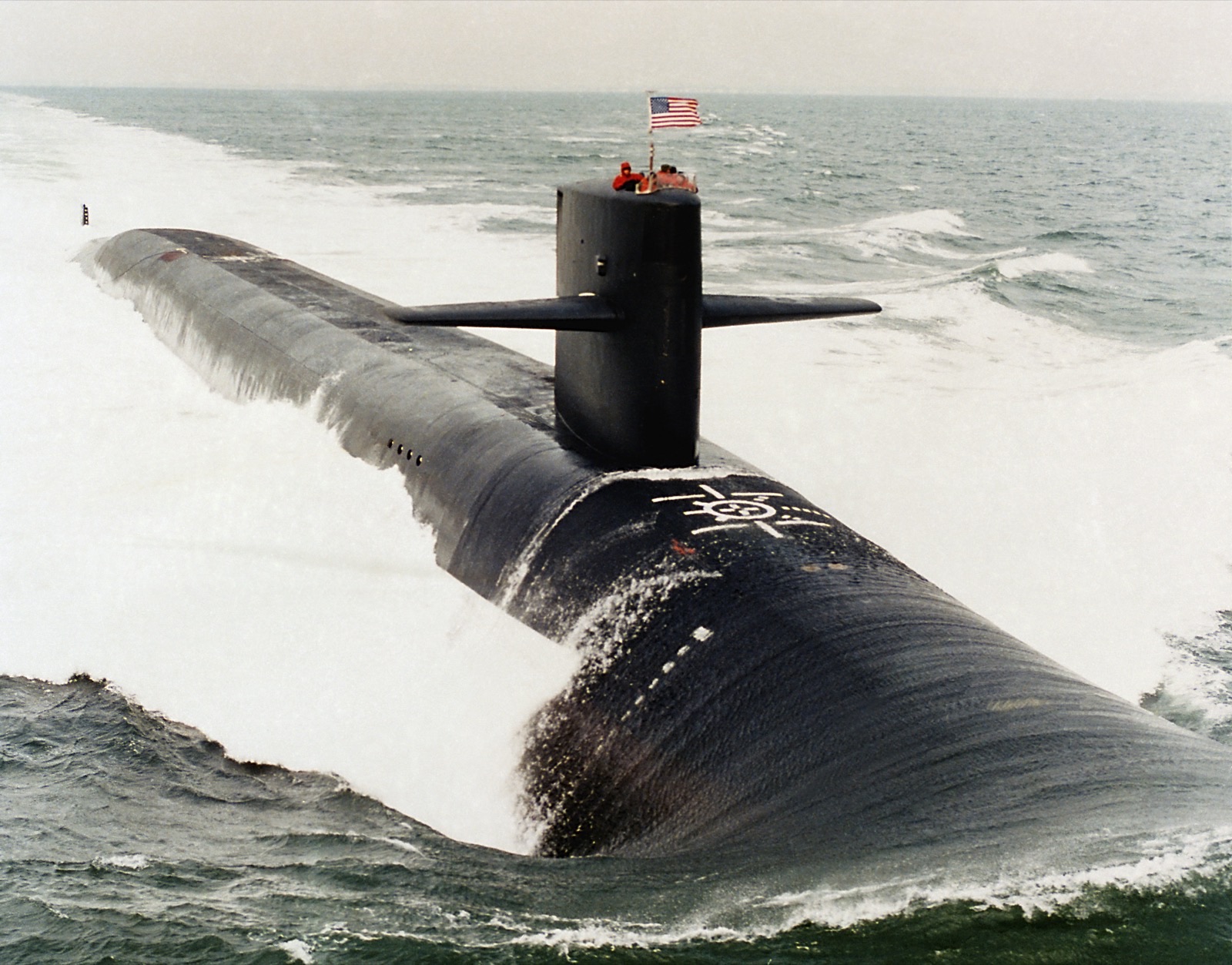
I remember an adage from that service: the limit is the goal. If the task called for maximum permitted performance, you were expected to get there. Leaving capability unused meant falling short. The job included knowing how to reach 100%.
That is the standard I’m bringing to AI. Capability left unused is an engineering problem worth solving. I want to understand what is holding the system back and do the work that lets it perform. There is enormous satisfaction in making a complex system deliver what it can.
An AI harness cannot guarantee a perfectly known or safe limit; I have to test its behavior and revise what I allow it to do. The ambition remains full usable performance. I build the checks and examine the failures because I want to know how hard I can push. The point of the discipline is to release the power.
I have felt the pull of a platform shift before. I joined Movile in 2012, while smartphones were changing what a mobile business could become. As Group CFO and Chief Strategy Officer, I helped build Movile and iFood through that transition. Seeing the opportunity led to years of decisions about where to commit and what to build.
I remember how much work began after we recognized the shift. The technology created possibilities; people had to turn them into businesses. That experience is part of why I want to be deeply involved now. I understand something of what a commitment like this asks, and AI has given me another way to contribute to it: I can build the systems myself as well as help decide what they should accomplish.
Financing is my first demanding application. It gives me real work with messy information, intricate processes and consequences I can inspect. It asks a great deal of both the system and the person using it. That is where I am putting my systems judgment to use.
My ambition reaches further. I want to use these capabilities to understand unmet needs and build things that are useful to the people who have them. I want to learn which methods travel to other problems and which depend on the domain where they were developed. That is a direction to test through the work, and it gives my return to technology a horizon beyond improving the tasks already in front of me.
For an investor looking at this commitment, that combination is the thesis. Systems engineering tells me how to build and interrogate the machinery. Operating experience helps me recognize a problem worth solving and what a successful result would mean. Relevant data and context give the system something to act on. I can now bring those pieces together directly, then improve them through use. That is where I believe I can create value.
The Chief AI Officer mandate makes that commitment explicit. I am accountable for whether our agentic work produces useful results, alongside the Technology function and the people who own the decisions in their domains. I get to do this with my partners at Bamboo, while taking personal responsibility for making the machinery perform.
I am emerging again. At this point in my life, I have the experience to recognize what I can contribute and the appetite to take on something that demands all of it. I’m putting that combination to use as a builder.
This is the opportunity of a lifetime, and I intend to give it the full measure of what I can do. I have my north, and I have started building. The limit is the goal.
Arthur O'Keefe is Founder and Chief AI Officer of Bamboo DCM. A computer engineer by training, he has operated a nuclear reactor as a U.S. Navy submarine officer, built financial systems and helped build Movile and iFood as Movile’s Group CFO and Chief Strategy Officer. He builds systems of iteration and writes about the engineering and operating judgment that make them useful. A system of iteration is AI you can push back on. You can run it flat out for a weekend or park it for a week, then find the work waiting where you left it.
About Bamboo DCM
Bamboo DCM is an independent structurer and distributor of corporate and structured credit in Brazil, helping mid-market companies raise capital from institutional investors. It is building toward an agentic credit firm, with systems intended to carry more of the analytical and operating work while domain leaders remain responsible for decisions and verification.